
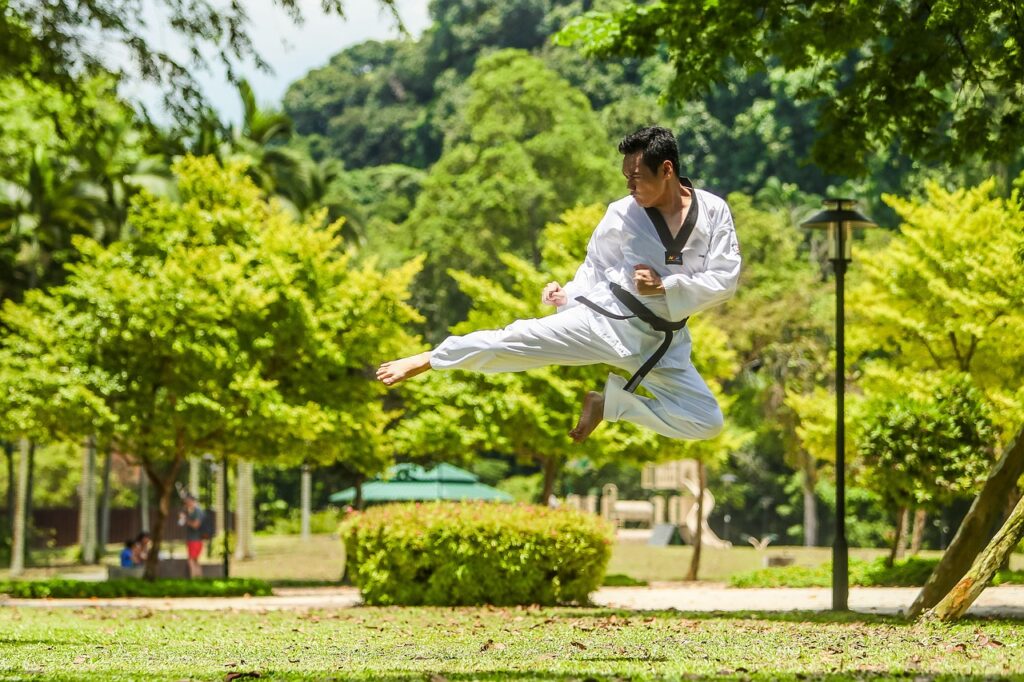
Karate as a Life Practice: Values, Skills, and Real-World Benefits
Karate as a Life Practice: Values, Skills, and Real-World Benefits Karate is much more than a martial art—it’s a system for building character and mastering life’s challenges. Rooted in tradition yet relevant to modern living, karate develops discipline, confidence, and resilience that carry far beyond the dojo. Whether you’re a beginner or a seasoned practitioner, the values you practice on the mat translate into everyday habits that strengthen body, mind, and spirit. Karate as a Foundation for Personal Growth Training is intentionally structured: drills, forms, partner work, and reflection. Through repetition and progression, students build consistency, sharpen focus, and cultivate a growth mindset. The result is holistic development—physical fitness, mental clarity, and emotional steadiness that support success at school, work, and home. Core Values You Learn Through Karate Commitment to Routine: Showing up regularly—especially on low-motivation days—creates dependable habits and long-term progress. Emotional Regulation: Breathing, pacing, and presence help you stay composed under pressure and make wiser decisions. Gratitude & Humility: Bowing, etiquette, and partner respect remind students to remain thankful and grounded. Personal Accountability: Honest self-assessment builds ownership—of effort, outcomes, and growth. Mutual Respect: Courtesy toward peers and instructors creates a safe, supportive culture for all ranks and ages. Physical and Mental Benefits Balance & Coordination: Stances and controlled techniques improve body awareness and stability. Positive Energy Channeling: Especially for kids, karate offers a structured outlet for high energy and restlessness. Mental Endurance: Technical challenges build patience, perseverance, and problem-solving skills. Reaction Speed: Pad work and sparring sharpen reflexes and quick, intelligent responses. Peace Through Strength: Confidence from skill reduces reactivity and the need to prove oneself. Real-World Life Skills Gained Through Karate Goal Orientation: Belt systems teach how to break long-term goals into achievable milestones. Time Discipline: Balancing training with school or work builds prioritization and planning skills. Clear Communication: Partner drills require active listening, concise cues, and reading body language. Confidence from Mastery: Earning skill through effort creates durable self-belief. Healthy Self-Worth: Students learn that value comes from consistency and character—not external validation. Emotional Intelligence & Social Awareness Empathy & Support: Senior students often mentor beginners, fostering patience and service. Awareness of Others: Training heightens sensitivity to intent, space, and energy—useful in social and professional settings. Grace in Defeat and Victory: Wins and losses become opportunities for composure and learning. Karate in the Modern World In a screen-heavy, distraction-filled era, karate remains a grounding practice. It improves attention span, posture, and internal calm—benefits that are especially helpful for children building focus, adults managing stress, and families seeking a shared discipline that strengthens bonds. Conclusion: Train for Life On Manhattan’s Upper West Side and beyond, martial arts is far more than kicks and punches—it’s a vehicle for transformation. From discipline to empathy, from self-mastery to confidence, karate equips you to lead with strength, live with intention, and face adversity with grace. If you’re ready to begin, visit your local dojo, step onto the mat, and start the journey.
Karate as a Life Practice: Values, Skills, and Real-World Benefits Read More »