Karate offers more than kicks and punches. In a fast Manhattan neighborhood, it becomes a disciplined way to slow down, focus, and grow. Students gain strength, clarity, and composure that carry into work, school, and family life.
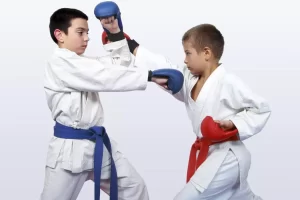
A Counterbalance to City Life
The Upper West Side moves quickly. The dojo provides a steady rhythm that helps students reset. Phones go away, posture aligns, and breath becomes intentional. Each technique is a chance to practice calm attention under pressure.
Awareness in Every Movement
Karate requires presence. If attention drifts, technique breaks down. Training builds the habit of returning to the moment. Off the mat, students respond instead of react, using breath and posture to meet stress with clarity.
Discipline That Builds Character
Progress comes from consistent effort. Repetition, patience, and honest feedback shape strong habits. The belt system teaches long term goal setting and respect for the process. The result is confidence that feels earned, not assumed.
The Dojo as Community
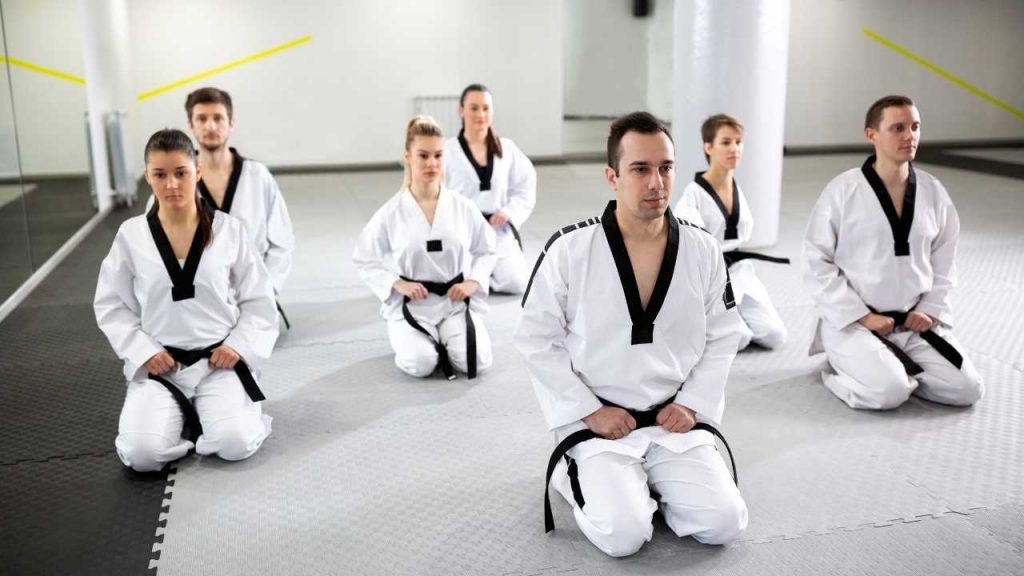
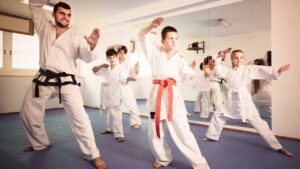
Karate brings together children, teens, and adults in a supportive space. Partners learn to listen, adjust, and encourage. Shared practice creates trust and accountability that are hard to find in daily city routines.
A Philosophy of Balance
Karate aims for harmony. Students learn when to assert and when to yield. Strength pairs with humility, and power stays guided by control. These lessons shape how practitioners handle conflict and lead with respect.
Humility and Lifelong Learning
Even advanced students remain learners. Each class reveals new details about timing, distance, and mindset. The bow at the start and finish is a reminder to honor teachers, partners, and the path itself.
Conclusion
Karate on the Upper West Side is a mindful practice for modern life. It sharpens focus, stabilizes emotions, and builds community. Train to move with purpose, meet stress with calm, and carry stillness into a busy city.