Harmony By Karate Store in Now Live!
View Our Brand New Products!

karate

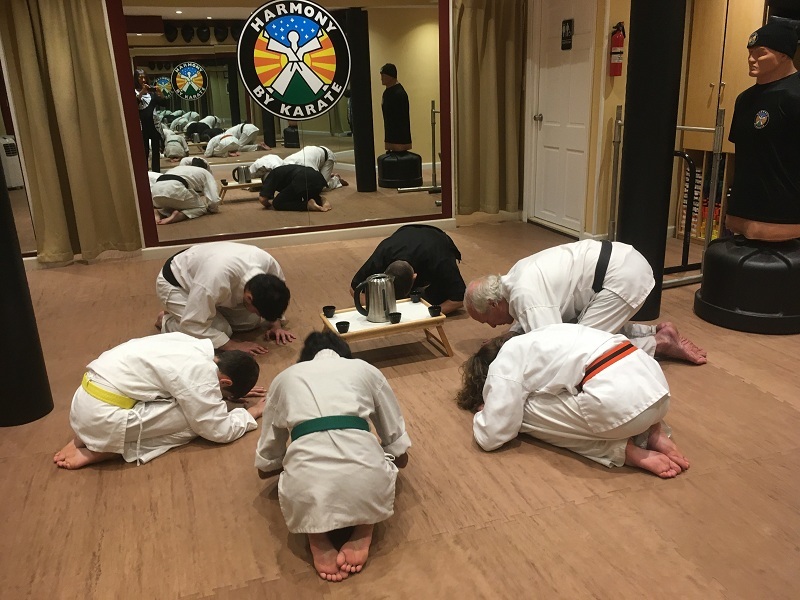
TEA CEREMONY OCT 2019- HARMONY BY KARATE - UPPER WEST SIDE MARTIAL ARTS NYC

Martial Arts as a Form of Meditation: Finding Inner Peace through Combat Techniques

Martial Arts as a Form of Meditation: Finding Inner Peace through Combat Techniques Martial arts are often associated with self-defense and physical fitness, but they also offer profound mental and spiritual benefits. Many practitioners find that martial arts serve as a form of meditation, providing a pathway to inner peace through disciplined movement and focused intention. The practice of martial arts requires a deep connection between the mind and body, making it an effective method for cultivating mindfulness and achieving a state of meditative calm. This unique approach allows individuals to explore the spiritual dimensions of martial arts while honing their physical abilities. The Meditative Aspects of Martial Arts Mindfulness in Motion Martial arts demand a high level of focus and awareness, qualities that are central to meditation. Practitioners must be fully present in the moment, paying close attention to their movements, breath, and surroundings. This mindfulness in motion helps quiet the mind and fosters a sense of inner peace. Unlike traditional meditation, which often involves stillness, martial arts integrate dynamic movement with meditative focus. This combination allows individuals to achieve a state of mental clarity while engaging in physical activity, making martial arts a unique form of active meditation. Breath Control and Mental Focus Breath control is a fundamental aspect of both martial arts and meditation. In martial arts, controlled breathing helps regulate energy, enhance endurance, and maintain composure during combat. Similarly, meditation uses breath as an anchor to calm the mind and center one’s thoughts. By synchronizing breath with movement, martial artists can deepen their focus and enter a meditative state. This practice not only improves physical performance but also promotes mental clarity and emotional stability, allowing practitioners to find inner peace through their training. Achieving Inner Peace through Martial Arts Stress Relief and Emotional Balance Martial arts provide a healthy outlet for releasing stress and managing emotions. The physical exertion involved in training helps release tension, while the mental discipline required fosters emotional balance. Over time, practitioners learn to manage their emotions more effectively, leading to a greater sense of inner peace. The structured environment of martial arts training also encourages the development of patience, humility, and resilience. These qualities contribute to emotional well-being, helping practitioners navigate life’s challenges with a calm and balanced mindset. Self-Discovery and Personal Growth Martial arts serve as a journey of self-discovery, offering insights into one’s strengths, weaknesses, and potential. Through consistent practice, individuals can overcome personal limitations, build confidence, and cultivate a deeper understanding of themselves. This process of self-discovery is inherently meditative, as it involves introspection, reflection, and personal growth. By facing and overcoming challenges in martial arts, practitioners develop a stronger connection to their inner selves, leading to a profound sense of inner peace. Integrating Meditation into Martial Arts Practice Combining Meditation Techniques with Martial Arts Many martial artists incorporate traditional meditation techniques into their training routines to enhance their practice. Techniques such as seated meditation, visualization, and mindful breathing can complement martial arts training, deepening the meditative aspects of the practice. By dedicating time to both physical training and meditation, practitioners can achieve a harmonious balance between body and mind. This integration allows martial artists to fully experience the meditative benefits of their practice, leading to a more fulfilling and holistic martial arts journey. Developing a Meditative Mindset in Combat Achieving a meditative mindset during combat is a hallmark of advanced martial arts practice. Experienced practitioners learn to remain calm, focused, and centered even in the midst of intense physical confrontation. This mental state, often referred to as “mushin” or “no-mind,” is a key aspect of martial arts as meditation. In this state, the mind is free from distractions, and the practitioner responds instinctively and effortlessly to the situation at hand. This meditative mindset not only enhances combat effectiveness but also reinforces the inner peace that martial arts training fosters. Conclusion Martial arts offer more than just physical training; they provide a pathway to inner peace and spiritual growth through meditative practices. By cultivating mindfulness, breath control, and a meditative mindset, practitioners can find tranquility and clarity in both their martial arts practice and their daily lives. FAQs How do martial arts promote mindfulness? Martial arts promote mindfulness by requiring practitioners to focus on their movements, breath, and surroundings, fostering a deep connection between mind and body. Can martial arts help reduce stress and anxiety? Yes, martial arts can help reduce stress and anxiety by providing a physical outlet for tension and promoting mental discipline and emotional balance. What is “mushin” in martial arts? “Mushin” is a state of “no-mind” in martial arts, where the practitioner remains calm, focused, and free from distractions, allowing for instinctive and effortless action. How can I integrate meditation into my martial arts practice? You can integrate meditation into your martial arts practice by incorporating techniques such as seated meditation, mindful breathing, and visualization into your training routine. Can martial arts be considered a form of active meditation? Yes, martial arts can be considered a form of active meditation, as they combine physical movement with mental focus to achieve a meditative state. What are the spiritual benefits of martial arts? The spiritual benefits of martial arts include inner peace, self-discovery, personal growth, and a deeper understanding of oneself and one’s place in the world.

Martial Arts as a Form of Meditation: Finding Inner Peace through Combat Techniques Read More »
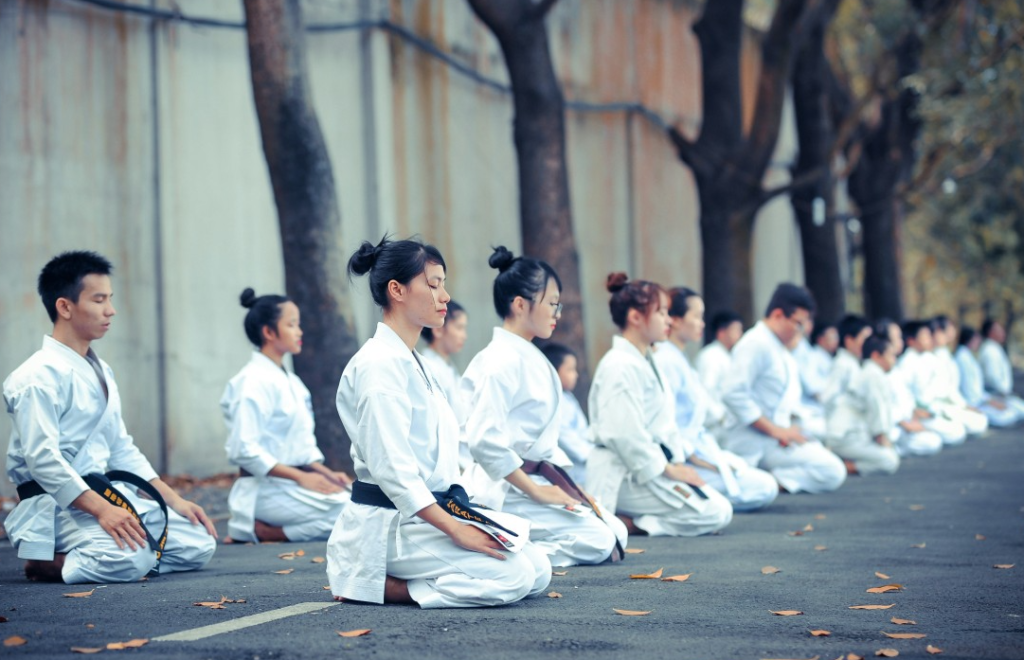
Martial Arts: Achieving Mental, Spiritual, and Physical Calm in a Bustling City

Living in a bustling city can be both exhilarating and exhausting. The constant noise, fast pace, and endless stream of activities can take a toll on your mental, spiritual, and physical well-being. Amidst this chaos, martial arts offer a sanctuary, providing a holistic approach to achieving calm and balance. This article explores how martial arts can help you find peace and equilibrium in an urban environment. Mental Calm Martial arts emphasize mindfulness and mental discipline, making them an excellent practice for achieving mental calm. Techniques such as focused breathing, meditation, and precise movements require a high level of concentration. This focus helps quiet the mind, pushing aside the daily stresses and distractions of city life. Mindfulness and Focus Practicing martial arts demands present-moment awareness. Whether you’re executing a complex kata or engaging in sparring, your mind must be fully engaged in the task at hand. This mindfulness practice helps to reduce anxiety and improve mental clarity, making it easier to navigate the challenges of city living. Stress Relief Physical exertion through martial arts releases endorphins, the body’s natural stress relievers. The rigorous training sessions provide a productive outlet for pent-up tension and frustration, leaving you feeling more relaxed and centered. Mental Resilience Martial arts training teaches resilience and perseverance. The discipline required to master techniques and progress through ranks builds mental toughness, enabling you to better handle the pressures and setbacks of urban life. Spiritual Calm Beyond the physical and mental aspects, martial arts also offer a pathway to spiritual calm. The philosophical teachings embedded in many martial arts traditions encourage a deeper understanding of oneself and one’s place in the world. Inner Peace Martial arts emphasize the importance of inner peace and harmony. Practices such as Tai Chi and Aikido focus on flowing, harmonious movements that promote a sense of balance and tranquility. This emphasis on harmony helps practitioners cultivate a peaceful and centered mindset. Philosophical Teachings Many martial arts are rooted in philosophical and spiritual traditions. For instance, Karate-do teaches the way of the empty hand, emphasizing humility, respect, and self-control. These principles encourage a more reflective and mindful approach to life, fostering spiritual growth and development. Connection to Tradition Engaging in martial arts connects you to a long history of tradition and wisdom. This connection provides a sense of belonging and continuity, grounding you amidst the transient nature of city life. Physical Calm While martial arts are often associated with combat and self-defense, they also promote physical calm and well-being. The physical discipline required in martial arts training has numerous health benefits that contribute to overall calm and vitality. Physical Fitness Regular martial arts practice improves cardiovascular health, strength, flexibility, and endurance. This physical conditioning enhances your overall well-being, making it easier to cope with the physical demands of city living. Relaxation Techniques Many martial arts incorporate relaxation techniques, such as controlled breathing and stretching, into their training regimens. These techniques help reduce muscle tension and promote relaxation, counteracting the physical strain of a busy urban lifestyle. Body Awareness Martial arts training enhances body awareness and coordination. This heightened awareness helps you move more efficiently and confidently, reducing the likelihood of physical stress and injury. Additionally, understanding your body’s limits and capabilities fosters a sense of physical calm and self-assurance. Conclusion In the hustle and bustle of city life, finding calm can be a challenge. Harmony by Karate provides a comprehensive approach to achieving mental, spiritual, and physical balance. Through mindfulness, philosophical teachings, and physical discipline, martial arts help cultivate a sense of inner peace and resilience. Whether you are looking to relieve stress, connect with your spiritual self, or improve your physical fitness, martial arts offer a path to serenity and well-being in an urban environment. Embracing this practice can transform the way you navigate the complexities of city life, helping you find calm amidst the chaos.

Martial Arts: Achieving Mental, Spiritual, and Physical Calm in a Bustling City Read More »

Benefits & Strategies for Incorporating Martial Arts in Your Daily Life

Martial arts have long been recognized for their multifaceted benefits, extending beyond physical fitness to encompass mental and emotional well-being. In the realm of stress management, martial arts offer a holistic approach that integrates physical exertion, mindfulness, and self-discipline to cultivate resilience and promote a calmer life. Let’s explore the role of martial arts in stress management and strategies for incorporating these ancient practices into modern-day living. Physical Exertion and Stress Relief Engaging in martial arts involves dynamic movements, strength training, and cardiovascular exercise, all of which contribute to the release of endorphins – the body’s natural mood enhancers. Regular practice of martial arts not only strengthens muscles and improves flexibility but also serves as a powerful outlet for pent-up stress and tension. The rhythmic flow of movements in disciplines such as Tai Chi or Qigong promotes relaxation and mindfulness, allowing practitioners to channel their energy in constructive ways and alleviate stress-induced symptoms. Mindfulness and Mental Clarity Central to many martial arts traditions is the cultivation of mindfulness – the practice of being fully present and aware in the moment. Through focused attention on breath control, body alignment, and movement sequences, practitioners develop heightened sensory awareness and mental clarity. This mindfulness extends beyond the training mat and into daily life, empowering individuals to approach challenges with greater composure and resilience. By integrating mindfulness techniques into martial arts practice, individuals can effectively manage stress triggers and maintain a sense of inner balance amidst life’s pressures. Self-Discipline and Emotional Regulation Martial arts instills principles of self-discipline, self-control, and emotional regulation, providing practitioners with invaluable tools for managing stress and adversity. Through consistent practice and adherence to martial arts etiquette, individuals cultivate a sense of inner discipline and mastery over their thoughts and emotions. By learning to control impulses, manage frustration, and navigate conflict with equanimity, martial artists develop resilience and emotional intelligence – essential qualities for navigating life’s ups and downs with grace and resilience. Community and Social Support Participating in martial arts often involves belonging to a supportive community of fellow practitioners, instructors, and mentors. This sense of camaraderie and social support fosters a nurturing environment where individuals can share experiences, seek guidance, and draw inspiration from one another. The bond forged through martial arts transcends physical training and extends to mutual encouragement, accountability, and empathy, providing a vital support network for coping with stress and fostering personal growth. Strategies for Incorporating Martial Arts into Daily Life To harness the stress-relieving benefits of martial arts in daily life, consider incorporating the following strategies: Set Realistic Goals Start with manageable goals and gradually progress as you build confidence and proficiency in your chosen martial art. Setting realistic and achievable milestones helps maintain motivation and ensures steady improvement without overwhelming yourself. Establish a Routine Consistency is key to reaping the benefits of martial arts practice. Set aside dedicated time each day or week for training, even if it’s just a few minutes of mindful movement. Creating a routine helps embed martial arts practice into your lifestyle, making it a natural part of your daily or weekly schedule. Practice Mindfulness Focus on the present moment during training sessions, paying attention to your breath, body sensations, and surroundings. Carry this mindfulness into everyday activities to cultivate a sense of calm and awareness. Practicing mindfulness not only enhances your martial arts experience but also improves your overall quality of life by reducing stress and increasing mental clarity. Seek Guidance and Support Join a local martial arts studio or community group to connect with like-minded individuals and receive guidance from experienced instructors. Attending workshops, seminars, or retreats can deepen your understanding and practice of martial arts techniques and philosophy. Engaging with a community provides additional support, motivation, and opportunities for learning. Embrace the Journey Approach martial arts practice with an open mind and a spirit of curiosity and exploration. Embrace challenges as opportunities for growth and learning, and celebrate your progress along the way. Recognize that martial arts is a lifelong journey of continuous improvement, where each step forward contributes to your personal development and well-being. Integrate Martial Arts Principles into Daily Life Incorporating martial arts principles such as respect, perseverance, and humility into your daily life can significantly enhance your personal and professional interactions. By embodying these values, you can navigate life’s challenges with greater resilience and composure. Utilize Martial Arts for Stress Management Whenever you feel overwhelmed or stressed, utilize martial arts techniques such as deep breathing, meditation, or specific movements to regain composure. These practices can serve as immediate tools for managing stress and restoring balance in your life. Explore Different Martial Arts Disciplines Experiment with different martial arts styles to find the one that resonates most with you. Whether it’s the fluid movements of Tai Chi, the dynamic kicks of Taekwondo, or the grappling techniques of Brazilian Jiu-Jitsu, each discipline offers unique benefits and can contribute to your overall well-being. Conclusion By incorporating martial arts into your life, you can tap into a rich tradition of physical, mental, and emotional cultivation that offers invaluable tools for managing stress and promoting overall well-being. Embracing martial arts practice provides a comprehensive approach to enhancing your quality of life, fostering resilience, and achieving inner harmony.

Benefits & Strategies for Incorporating Martial Arts in Your Daily Life Read More »

Embracing Nature: Enhancing Karate Training Outdoors

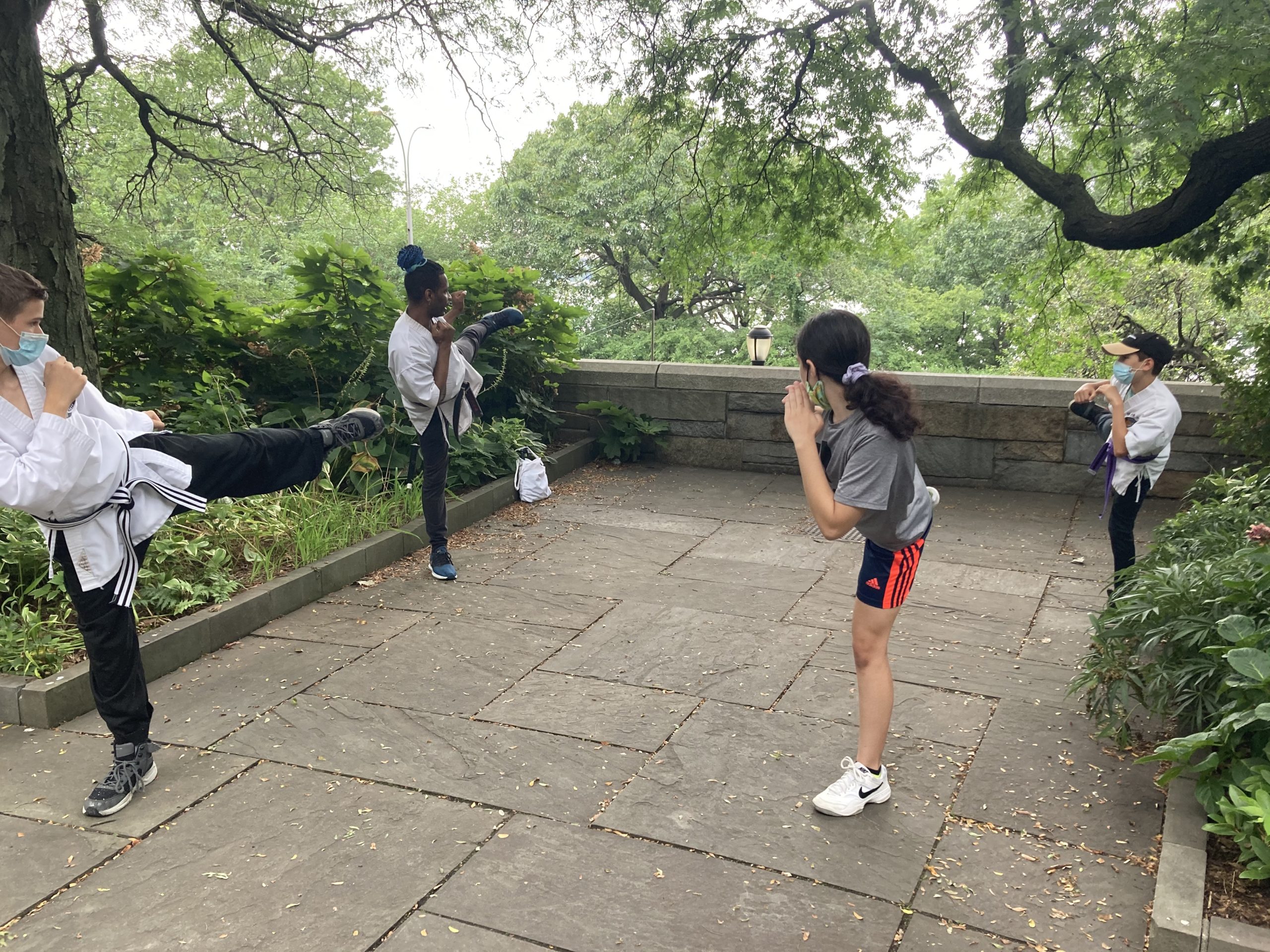
In the realm of martial arts in the Upper West Side, where discipline and focus are paramount, integrating nature into training sessions can elevate the experience to new heights. Karate, with its powerful strikes and fluid movements, finds synergy with the natural world. Let’s delve into the profound benefits of incorporating outdoor elements into martial arts training. The Advantages of Outdoor Training Karate practitioners often train indoors, but venturing outdoors introduces a dynamic element that stimulates both mind and body, revitalizing the spirit of karate and enhancing overall performance. Mental Clarity and Focus Amidst the tranquil backdrop of nature, karatekas find peace and tranquility, fostering mental clarity and enabling precise focus. Physical Conditioning Training on varied terrain challenges enhances balance, agility, and proprioception, while exposure to sunlight boosts vitamin D levels, promoting overall well-being. Enhanced Technique and Awareness Incorporating natural obstacles and practicing in natural light refines technique, spatial awareness, and visual acuity, fostering adaptability and responsiveness. Tips for Outdoor Karate Training Ensure safety by selecting suitable locations and staying aware of weather conditions. Embrace spontaneity and utilize natural resources in training drills while fostering a mindful connection with nature. Conclusion Integrating outdoor elements into karate training offers a holistic approach, nurturing mind, body, and spirit. By embracing the transformative power of nature, practitioners refine their techniques and deepen their connection to their art and themselves.

Embracing Nature: Enhancing Karate Training Outdoors Read More »

The Art of Kata: Unlocking the Spiritual and Philosophical Elements in Karate

Karate, originating from the island of Okinawa, Japan, transcends mere physicality—it embodies a profound spiritual and philosophical journey deeply rooted in Japanese culture. Understanding the Essence of Kata Kata, meaning “form” or “pattern,” lies at the core of traditional Karate training. It’s not just a sequence of movements but a symbolic expression of martial arts principles. Connecting with Tradition and Heritage Kata serves as a bridge to the rich history, traditions, and philosophies of martial arts. Passed down through generations, Kata preserves the wisdom of past masters while providing insight into Japanese customs and spirituality. Unlocking Spiritual Awareness Engaging in Kata practice transcends physical exercise—it’s a spiritual journey toward self-awareness and inner peace. Through focused practice and meditation, practitioners quiet their minds, connect with their emotions, and cultivate mindfulness. Embracing Philosophical Ideals Each movement within Kata carries deep philosophical meaning, embodying principles such as balance, discipline, and respect. Practitioners strive to integrate these principles into their lives, fostering moral integrity and mental clarity. The Guidance of Sensei and the Dojo A skilled Sensei plays a pivotal role in guiding students through Kata practice. In the traditional Karate Dojo, students not only learn physical techniques but also absorb the underlying philosophies of martial arts, fostering growth in body, mind, and spirit. Challenges and Rewards of Kata Mastery Mastery of Kata requires dedication and resilience, but the journey is immensely rewarding. Practitioners gain not only physical strength but also self-confidence, humility, and a deeper understanding of themselves and their surroundings. Conclusion Karate Kata is more than a series of movements—it’s a gateway to spiritual and philosophical enlightenment. Through disciplined practice, practitioners unlock profound insights into themselves and the universe, cultivating holistic well-being and embracing the transformative power of Kata.

The Art of Kata: Unlocking the Spiritual and Philosophical Elements in Karate Read More »

Karate Upper West side blog image

The Art of Martial Harmony: Rediscovering Balance Within

The Art of Martial Harmony: Rediscovering Balance Within In today’s fast-paced and often chaotic world, finding inner harmony is a pursuit many seek. Martial arts, an ancient practice, offers a unique path to self-discovery and equilibrium. Let’s explore how martial arts in the Upper West Side serves as a journey towards balance. The Essence of Martial Arts Martial arts is more than combat; it’s a holistic approach to physical, mental, and spiritual well-being. Rooted in ancient traditions, it promotes self-awareness, discipline, and balance. Physical, Mental, and Spiritual Harmony Martial arts fosters physical harmony through dynamic practices like Tai Chi and Karate, enhancing strength and fostering a mind-body connection. Mentally, it cultivates mindfulness and concentration, while spiritually, it offers a journey of self-discovery and enlightenment. Applying Martial Harmony in Everyday Life The lessons of martial arts extend beyond the dojo, guiding practitioners to face challenges with resilience and foster positive relationships. Conclusion Martial arts offers a timeless path to inner balance. Through discipline and self-awareness, practitioners embark on a transformative journey towards harmony. Experience Martial Harmony with Harmony by Karate For over 25 years, Harmony by Karate has served the Upper West Side community, helping students become empathic leaders and find balance in life. Start your journey today. Visit Harmony by Karate.

The Art of Martial Harmony: Rediscovering Balance Within Read More »

Karate Upper West side blog image

The Benefits of Teaching Martial Arts to School Kids

The Transformative Power of Martial Arts in School Curricula In a world that demands resilience, discipline, and self-confidence, including martial arts in school curricula has proven to be an empowering and transformative initiative. Beyond the physical aspects of kicks and punches, martial arts instill invaluable life skills that contribute to the holistic development of school kids. This article explores the numerous benefits of teaching martial arts to young minds, emphasizing how this practice goes beyond self-defense to shape character, instill discipline, and foster a sense of community. Benefits of Teaching Martial Arts to School Kids Here are a few key advantages of teaching martial arts to school kids. 1. Physical Fitness and Health Martial arts offer a holistic approach to physical fitness. School kids engage in cardiovascular exercises, strength training, and flexibility drills through structured training routines. Regular practice improves their physical health and instills a sense of the importance of an active lifestyle from a young age, setting the foundation for lifelong well-being. 2. Discipline and Focus Martial arts are rooted in principles of discipline and focus. The structured nature of training, coupled with the emphasis on respect for instructors and peers, cultivates a disciplined mindset among school kids. Learning and mastering techniques require concentration, helping students develop enhanced focus and attention to detail. 3. Self-Confidence and Empowerment As school kids progress in their martial arts journey, they witness their growth and capabilities. This realization fosters a sense of self-confidence and empowerment. Mastering a new technique or earning a higher belt level is tangible evidence of their progress, boosting their self-esteem and resilience. 4. Respect and Courtesy Martial arts are steeped in traditions that prioritize respect and courtesy. Instructors emphasize the importance of showing respect within the training space and in daily life. School kids learn to appreciate the value of treating others with kindness and respect, fostering a positive and inclusive community inside and outside the dojo. 5. Conflict Resolution and Self-Control Martial arts emphasize non-violent conflict resolution and self-control. Students are taught that the skills they acquire are to be used responsibly and ethically. The practice of self-control extends beyond physical techniques to encompass emotional regulation, teaching kids to handle challenges and conflicts thoughtfully and composedly. 6. Goal Setting and Perseverance The belt system in martial arts is a visible representation of progress and achievement. School kids learn the importance of setting goals, working consistently toward them, and persevering through challenges. These principles extend beyond the dojo, preparing them for a future where goal-setting and resilience are essential. 7. Teamwork and Camaraderie While martial arts in the Upper West Side are often viewed as an individual pursuit, group training sessions foster a sense of teamwork and camaraderie. School kids learn to support and encourage their peers, creating a positive and motivating environment. These collaborative experiences build a strong sense of community and solidarity. Conclusion Teaching martial arts to school kids goes beyond imparting physical skills; it molds young minds into disciplined, confident, and respectful individuals. The benefits extend beyond the training mat, influencing their academic performance, social interactions, and overall character development. By integrating martial arts into school programs, educators and parents provide students with a powerful tool for personal growth, empowering them to navigate life’s challenges with resilience, focus, and a strong sense of self-worth.

The Benefits of Teaching Martial Arts to School Kids Read More »

Karate Upper West side blog image

The Social Benefits of Karate for Children with Special Needs

Introduction Karate and other martial arts are known for their ability to offer numerous social benefits, particularly for children with special needs. Beyond physical fitness and self-defense skills, martial arts can have a profound impact on various aspects of a child’s life, promoting improved communication, social skills, a sense of belonging, accomplishment, personal growth, and more. In this article, we will explore these social benefits and the transformative power of karate for children with special needs. Enhanced Communication and Social Skills Karate plays a pivotal role in enhancing the communication and social skills of children with special needs. The practice requires students to engage in dynamic verbal and nonverbal communication. They must attentively listen to instructions, follow precise directions, and provide encouragement and support to their fellow classmates. Through this interaction, they develop important social skills that can be applied both in and outside of the dojo. Inclusivity and Support in the Dojo Within the welcoming environment of the dojo, children with special needs often find a supportive and inclusive community. Many karate schools prioritize fostering camaraderie and mutual support among all practitioners, regardless of their backgrounds or abilities. For children who may face challenges connecting with their peers in traditional social settings, the friendships and bonds formed through martial arts training can be profoundly transformative. A Sense of Accomplishment and Personal Growth Karate imparts a profound sense of accomplishment and personal growth in children with special needs. As they progress through the ranks, mastering new techniques and earning higher belts, they experience tangible and deeply satisfying personal growth. Each belt symbolizes their dedication, discipline, and hard work, serving as a source of pride and accomplishment. Structure and Stability in Karate Training Beyond physical fitness, the discipline and structured nature of karate training provide children with special needs with a sense of stability and purpose. The routines, rituals, and clear expectations within the dojo create a structured environment that can be reassuring, especially for those who thrive on routine and consistency. Personalized Instruction and Empowerment Instructors who specialize in teaching martial arts to children with special needs are well-equipped to adapt their teaching methods to cater to each child’s unique needs and abilities. Recognizing the individuality of each student, instructors provide personalized support and encouragement. This approach not only aids in skill development but also helps children feel valued and empowered, enhancing their overall learning experience. Conclusion In conclusion, karate and martial arts offer a wide range of social benefits for children with special needs. These benefits include improved communication and social skills, a profound sense of belonging, accomplishment, personal growth, and a structured environment that provides stability. Karate instructors, by embracing inclusivity, adaptation, and unwavering support, create an environment where children with special needs can genuinely thrive. As society continues to recognize the potential of martial arts in enhancing the lives of these children, we contribute to a more inclusive and supportive society that benefits everyone, regardless of their unique abilities or challenges. For those seeking the positive impact of karate for children with special needs in the Upper West Side of Manhattan, Harmony By Karate have been serving the community for the past 29 years, offering a supportive and inclusive environment for all. Join us in promoting growth, empowerment, and inclusivity through martial arts.

The Social Benefits of Karate for Children with Special Needs Read More »

Karate Upper West side blog image

The Role of Discipline in Karate Training: Cultivating Mind and Body

The Impact of Discipline in Karate Training Karate, an ancient martial art originating from Okinawa, Japan, transcends physical techniques; it’s a way of life that encompasses discipline, respect, and personal growth. At the core of karate training lies the essential element of discipline, a cornerstone that shapes practitioners mentally, emotionally, and physically. The Essence of Discipline in Karate Discipline in karate extends far beyond mere rule adherence or obedience. It involves cultivating a mindset that embraces dedication, consistency, and self-control. Within traditional karate dojos (training halls), discipline takes center stage the moment students step onto the training floor. Physical Discipline: Mastery Through Repetition Physical discipline manifests through rigorous practice and relentless repetition of techniques. Practitioners devote countless hours perfecting strikes, blocks, and forms. This repetitive training not only refines muscle memory but also instills a robust work ethic, patience, and resilience. Mental Discipline: Focus and Concentration Karate necessitates unwavering mental focus. Practitioners must remain entirely present during training, concentrating on each movement and detail. This mental discipline nurtures mindfulness, enhancing an individual’s capacity to concentrate on tasks beyond the dojo. Emotional Discipline: Resilience and Perseverance The path in karate is marked by challenges, setbacks, and moments of self-doubt. Through disciplined training, practitioners develop emotional resilience and the ability to persist in the face of adversity. This resilience seamlessly translates into various life situations, fostering a “never give up” attitude. Self-Control and Conflict Resolution Discipline in karate encompasses self-control, a crucial skill in both training and daily life. Martial arts practitioners in the Upper West Side, for example, learn to effectively channel their emotions and manage stress. This skill extends into conflict resolution, enabling individuals to respond calmly and thoughtfully in challenging situations. The Role of the Sensei (Instructor) The sensei plays a pivotal role in imparting discipline to students. They serve as role models and mentors, exemplifying the values of respect, humility, and dedication. Through their guidance, students refine their physical techniques and internalize the principles of discipline. Discipline and Personal Growth The cultivation of discipline in karate closely aligns with personal growth. As practitioners advance in their training, they undergo transformations that transcend the physical realm. Confidence, self-esteem, and heightened self-awareness are just a few of the positive changes that discipline nurtures. Life Lessons Beyond the Dojo The discipline learned in karate transcends the training floor. The values instilled in practitioners help mold their character, influencing their interactions, decision-making, and approach to challenges in all aspects of life. Discipline serves as the cornerstone upon which karate is built. It molds practitioners into individuals who embody respect, focus, perseverance, and self-control. The karate journey is not merely about mastering techniques; it’s about mastering oneself. As practitioners embrace the rigors of disciplined training, they embark on a path of holistic growth that enriches the mind, fortifies the body, and shapes a resilient, honorable, and steadfast character in the face of life’s challenges. For authentic karate training that emphasizes discipline and personal growth, turn to Harmony by Karate – teaching martial arts for over 25 years in the Upper West Side of Manhattan, NYC. Contact us today to embark on your journey towards a balanced mind and body through karate.  

The Role of Discipline in Karate Training: Cultivating Mind and Body Read More »

Karate Upper West side blog image

The Life Lessons Taught by Karate

  Introduction In this article, we dive deep into the profound life lessons that the ancient martial art of Karate imparts to its practitioners. Karate, a discipline originating from Japan, is not merely a means of self-defense but a way of life. The principles and values it instills in individuals go beyond physical prowess and have a profound impact on character development, self-confidence, and mental strength. Understanding the Essence of Karate Karate is more than just a series of kicks and punches. It is a martial art rooted in the philosophy of self-improvement, discipline, and respect. The word “Karate” itself can be translated as “empty hand,” symbolizing the practice of unarmed combat. Through rigorous training and dedication, practitioners learn to harness their inner strength and cultivate a spirit of perseverance. The Foundational Principles of Karate Discipline: In the dojo, discipline is the cornerstone of learning. Karate practitioners are taught to follow a strict code of conduct, which extends beyond the training hall into their daily lives. Discipline enables them to stay focused, committed, and resilient in the face of challenges. Respect: Respect for oneself, the sensei (instructor), fellow students, and opponents is of utmost importance in Karate. Practitioners understand that humility and politeness are essential aspects of personal growth and fostering a positive environment in the dojo. Integrity: Karate places great emphasis on integrity and ethical behavior. Honesty and sincerity are paramount, both in one’s martial arts practice and interactions with others. This principle encourages practitioners to be accountable for their actions and to uphold their values in all situations. Perseverance: Karate is a journey that demands continuous effort and perseverance. Students are encouraged to face their fears, push through obstacles, and never give up on their goals. The ability to persist through difficulties becomes a valuable asset in all areas of life. The Physical and Mental Benefits of Karate Physical Fitness: Regular practice of Karate improves cardiovascular health, strength, flexibility, and coordination. The combination of dynamic movements and static poses in various katas (pre-arranged patterns) challenges the body and contributes to overall fitness. Self-Defense Skills: Karate equips practitioners with practical self-defense techniques that can be applied in real-life situations. The confidence gained through training empowers individuals to protect themselves and others when necessary. Stress Relief: Engaging in Karate provides an excellent outlet for releasing stress and tension. The focused and disciplined training helps to clear the mind and promote mental well-being. Karate and Personal Development Building Self-Confidence: As individuals progress in their Karate journey, they gain a sense of accomplishment and self-assurance. The ability to overcome challenges and master new techniques boosts self-confidence, leading to a positive self-image. Developing Focus and Concentration: Karate training demands mental focus and concentration. Practitioners learn to be present in the moment, which enhances their ability to concentrate in other areas of life, such as academics and work. Cultivating Patience: Mastering Karate techniques requires time and dedication. Through patient and consistent practice, students learn the value of delayed gratification and the rewards of perseverance. Karate Philosophy: Harmony of Mind, Body, and Spirit Karate is not solely about physical prowess; it also emphasizes the harmony of mind, body, and spirit. The concept of “Zanshin,” a state of total awareness, is cultivated throughout training. This mindfulness extends to all aspects of life, fostering a sense of balance and inner peace. Karate’s Impact on Personal Relationships The principles learned in Karate extend beyond the dojo and influence how practitioners interact with others. The respectful and compassionate nature of Karate practitioners improves their relationships with family, friends, and colleagues. The Role of Karate in Modern Society In the contemporary world, Karate remains relevant as a means of self-improvement and character development. Its influence extends to various fields, including sports psychology, mindfulness practices, and leadership training. Conclusion In conclusion, the martial art of Karate offers profound life lessons that transcend physical combat. Its principles of discipline, respect, integrity, and perseverance foster personal growth and empower individuals to face life’s challenges with confidence and resilience. As practitioners embrace the teachings of Karate, they find not only improved physical fitness but also a path to self-discovery and enlightenment. Harmony by Karate – Martial Arts Upper West Side Experience the transformative power of Karate at Martial Arts Upper West Side. Join us on a journey of self-improvement, character development, and inner harmony. Discover the life-changing benefits of Karate and unlock your true potential. Take the first step today!

The Life Lessons Taught by Karate Read More »

FOLLOW US

KARATE & MARTIAL ARTS UPPER WEST SIDE NY

PRIVATE CLASSES AVAILABLE IN WESTFIELD NJ


DIGITAL MARKETING BY

Harmony By Karate

251 West 81st Street New York New York 10024
Phone : 646-387-2073
Website : https://harmonybykarate.com
Price indication : 155-300
Facebook : https://www.facebook.com/HarmonyByKarate/
Tuesday12:00-6:30
Wednesday12:00-5:15
Thursday12:00-6:30
Sunday10:00-12:00
FOLLOW US

KARATE & MARTIAL ARTS UPPER WEST SIDE NYC

PRIVATE CLASSES AVAILABLE IN WESTFIELD NJ


DIGITAL MARKETING BY
HARMONY BY KARATE | 2026 | ALL RIGHTS RESERVED
Harmony By Karate - Martial Arts Upper West Side NYC Manhattan

PRE ENROLLMENT

Please take the time to fill out this short pre-enrollment form. Once it is filled out and submitted you will be contacted by a member of the Harmony By Karate staff for a meeting.

Call Now Button