Harmony By Karate Store in Now Live!
View Our Brand New Products!

karate

Karate on the Upper West Side: A Deeper Benefit Many Parents Do Not Expect

When parents search for karate on the Upper West Side, they usually begin with straightforward goals. More confidence. Better fitness. Stronger behavior. Practical self-defense. Those results matter, but many families end up noticing something even more meaningful. Over time, karate improves executive function. That is the set of mental skills that helps a child manage attention, emotions, and decision-making in real life. It affects school performance, friendships, and how a child handles pressure. What Executive Function Really Means Executive function is not one single skill. It includes impulse control, working memory, flexible thinking, planning, and emotional regulation. These abilities guide how a child starts tasks, stays focused, shifts strategies, and recovers from setbacks. Karate supports executive function because it trains the mind and body together. Students work inside clear rules, get immediate feedback, and face challenges that increase gradually as they improve. Structure That Teaches Process A strong karate program is built on structure. Class has a clear beginning and end. Students warm up, practice technique, work drills, and often learn forms that require sequencing and attention to detail. This structure is not just tradition. It teaches the brain how to follow process. Kids learn that progress comes from steps taken consistently, not from mood or impulse. That matters for children who struggle with attention, follow-through, or frustration tolerance. Impulse Control Through Real Practice Karate teaches inhibition, which is the ability to pause before acting. In partner drills or sparring, students cannot rush wildly. They learn to read distance, wait for timing, and choose the right moment. They also learn to control force, stop on command, and respect boundaries. This is impulse control trained in a real setting with clear consequences and fast feedback. Over time, that discipline often shows up at school and at home. Working Memory and Focus Under Pressure Karate strengthens working memory because students hold multiple instructions in mind at once. They remember combinations, stances, and sequences while adjusting posture, balance, and timing. In forms practice, students must recall patterns accurately and recover from mistakes without quitting. This is the same mental muscle used for multi-step math, reading comprehension, and completing complex assignments. Flexible Thinking and Resilience Flexible thinking is another benefit that is easy to miss at first. If a technique fails, the student adjusts. If a partner moves differently, the student adapts. If they make an error, they reset and continue. Karate teaches that mistakes are information. That shift is especially helpful for children who shut down when something feels hard or when they cannot get it perfect right away. Emotional Regulation You Can See For many Upper West Side families, emotional regulation becomes the most noticeable change. Students learn calm breathing, steady posture, and respectful behavior during challenge. They learn how to be intense without being chaotic. They learn how to lose without falling apart, and how to win without becoming disrespectful. That balance is emotional maturity built through repetition. Delayed Gratification in a Fast World Karate also builds delayed gratification, which is rare in modern life. Belts are earned. Progress is slow, measurable, and real. Kids learn that effort compounds over time. They learn that consistency matters more than short bursts of motivation. This lesson becomes a life advantage because it transfers to sports, school, and relationships. Why This Matters on the Upper West Side The Upper West Side is busy, competitive, and high-stimulation. Children are often tightly scheduled and surrounded by screens. Karate gives them a different environment. Training is physical and grounded. Rules are clear. Feedback is immediate. The community is real. For many kids, that becomes an anchor for confidence and mental well-being. Adults Benefit Too Adults training in martial arts on the Upper West Side often notice similar improvements. Better stress tolerance. Stronger attention control. More emotional steadiness. Many people find they handle conflict differently. They pause more. They breathe better. They react less impulsively. That is executive function applied to adult life. The Identity Shift That Changes Everything The deepest reason karate works is that it trains identity. Students start to see themselves as disciplined, capable, and calm under pressure. When that identity takes root, behavior changes with less correction. If you are looking for karate on the Upper West Side, it helps to see the full value. Karate is not just an activity. It is a long-term training system for the brain, the body, and character. The results show up everywhere, not only in the dojo.

Karate on the Upper West Side: A Deeper Benefit Many Parents Do Not Expect Read More »
Karate as a Safe Space for Special Needs Students

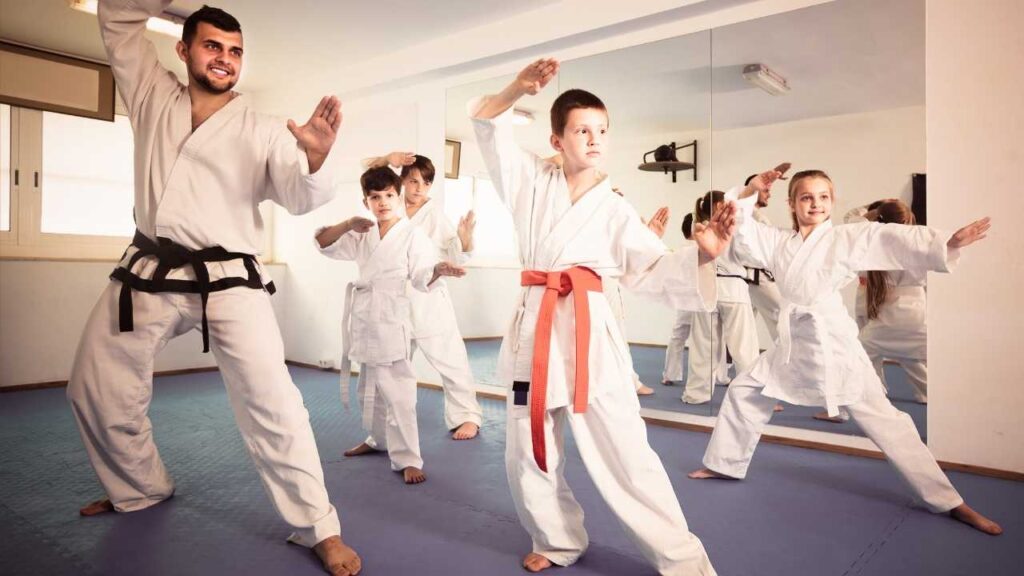
Karate is more than physical training. It provides structure, confidence, and emotional growth. For students with special needs, martial arts can be a supportive environment where inclusion feels natural and progress happens at a personal pace. The Power of Structure Karate classes follow predictable routines. This consistency helps reduce anxiety and creates a sense of safety. Clear instructions, repetition, and visual demonstrations allow students to learn comfortably and build confidence. Equal Ground for Every Student In the dojo, everyone begins the same way. Belts represent effort and progress, not ability or labels. Instructors adjust instruction quietly so students can succeed without being singled out. Building Social Skills Partner drills and group exercises teach communication, patience, and teamwork. Students learn how to share space, follow cues, and encourage others. These interactions often lead to real friendships. Preventing Bullying Through Confidence Karate helps students develop strong posture, calm presence, and self-respect. These traits reduce the likelihood of being targeted by bullies. Students also learn emotional control and conflict awareness. Instructor-Led Inclusion A skilled instructor understands that every student is different. Clear guidance, patience, and consistency allow children to grow at their own pace. Small victories are recognized and celebrated. Lasting Benefits Karate supports physical, emotional, and social development. For special needs students, it offers a place to belong, grow, and feel confident. It provides tools that help prevent bullying and build lifelong resilience.

Karate as a Safe Space for Special Needs Students Read More »

Finding Stillness in Motion: The Deeper Side of Karate on the Upper West Side

Karate offers more than kicks and punches. In a fast Manhattan neighborhood, it becomes a disciplined way to slow down, focus, and grow. Students gain strength, clarity, and composure that carry into work, school, and family life. A Counterbalance to City Life The Upper West Side moves quickly. The dojo provides a steady rhythm that helps students reset. Phones go away, posture aligns, and breath becomes intentional. Each technique is a chance to practice calm attention under pressure. Awareness in Every Movement Karate requires presence. If attention drifts, technique breaks down. Training builds the habit of returning to the moment. Off the mat, students respond instead of react, using breath and posture to meet stress with clarity. Discipline That Builds Character Progress comes from consistent effort. Repetition, patience, and honest feedback shape strong habits. The belt system teaches long term goal setting and respect for the process. The result is confidence that feels earned, not assumed. The Dojo as Community Karate brings together children, teens, and adults in a supportive space. Partners learn to listen, adjust, and encourage. Shared practice creates trust and accountability that are hard to find in daily city routines. A Philosophy of Balance Karate aims for harmony. Students learn when to assert and when to yield. Strength pairs with humility, and power stays guided by control. These lessons shape how practitioners handle conflict and lead with respect. Humility and Lifelong Learning Even advanced students remain learners. Each class reveals new details about timing, distance, and mindset. The bow at the start and finish is a reminder to honor teachers, partners, and the path itself. Conclusion Karate on the Upper West Side is a mindful practice for modern life. It sharpens focus, stabilizes emotions, and builds community. Train to move with purpose, meet stress with calm, and carry stillness into a busy city.  

Finding Stillness in Motion: The Deeper Side of Karate on the Upper West Side Read More »

The Transformative Power of Martial Arts in Manhattan

The Transformative Power of Martial Arts in Manhattan In Manhattan’s fast-paced environment, martial arts provide balance, strength, and focus. More than self-defense, training develops resilience, confidence, and community—skills that carry into every area of life. Mind and Body Benefits Martial arts combine fitness with mental discipline. Classes build stamina, flexibility, and coordination while sharpening focus and awareness. For busy New Yorkers, it’s a complete mind-body workout that relieves stress and improves performance. Stress Relief in the City Controlled breathing, structured movements, and sparring techniques help students manage daily pressures. The calm learned on the mat often translates into composure during work, school, or personal challenges in Manhattan. Empowerment Through Self-Defense Practical skills instill confidence in navigating city life. Children learn discipline and awareness, while adults gain peace of mind knowing they can protect themselves and their loved ones if needed. Community and Connection Martial arts schools create rare community in Manhattan, bringing together students of all ages and backgrounds. Training alongside others fosters friendships, accountability, and shared growth. Accessible for All Ages From toddlers developing coordination to seniors focusing on mobility, martial arts adapts to every stage of life. Goals may differ—fitness, confidence, or competition—but the benefits are universal. Path to Leadership Martial arts emphasize respect, responsibility, and perseverance. These values help children build character and adults develop leadership qualities that extend beyond the dojo into careers and relationships. Harmony by Karate Founded by Sensei John Mirrione, Harmony by Karate has been a Manhattan martial arts tradition since 1995. Now located on West 85th Street, the school offers a boutique, community-focused environment where students grow physically, mentally, and emotionally. Conclusion In Manhattan, martial arts are more than exercise—they are a transformative practice that empowers, connects, and strengthens. For stress relief, self-defense, or personal growth, martial arts provide a path toward lasting balance and resilience.

The Transformative Power of Martial Arts in Manhattan Read More »

Harmony By Karate - Martial Arts Upper West Side NYC Manhattan

Harmony by Karate Finds a New Home on West 85th Street

FOR IMMEDIATE RELEASE Manhattan, NY — After 30 transformative years at 251 West 81st Street, Harmony by Karate, a longtime pillar of martial arts and wellness on the Upper West Side, has officially moved to a beautiful historic brownstone at 76 West 85th Street, just east of Columbus Avenue. Founded by Sensei John Mirrione, Harmony by Karate has been empowering students of all ages since 1995 through the art of martial arts, emphasizing self-defense, discipline, and inner balance. The new space marks an exciting chapter—one rooted in stronger community connection and an intimate, boutique-style learning environment. “I wanted more of a brownstone, sidestreet experience, and when I saw this space, I fell in love with it,” said Sensei Mirrione. “It’s quaint, boutique-ish, and perfect for the kind of training we believe in—focused, personal, and grounded in reality.” Harmony by Karate continues to offer private and small group martial arts classes for students from toddlers to seniors. With specialized programs for children, teens, and adults, classes emphasize physical skill while nurturing mental and emotional growth. The school’s mission to Empower, Lead, and Heal comes to life in its new setting, providing students with a serene environment to grow in mind, body, and spirit. Classes are now running in person at the new location, with pre-enrollment open. Whether you’re a long-time student or beginning your martial arts journey, now is the perfect opportunity to join the Harmony family. New Address Harmony by Karate 76 West 85th Street New York, NY 10024 (Just east of Columbus Avenue) Pre-Enroll Now Visit HarmonyByKarate.com to learn more and secure your spot today.  

Harmony by Karate Finds a New Home on West 85th Street Read More »

Karate as a Life Practice: Values, Skills, and Real-World Benefits

Karate as a Life Practice: Values, Skills, and Real-World Benefits Karate is much more than a martial art—it’s a system for building character and mastering life’s challenges. Rooted in tradition yet relevant to modern living, karate develops discipline, confidence, and resilience that carry far beyond the dojo. Whether you’re a beginner or a seasoned practitioner, the values you practice on the mat translate into everyday habits that strengthen body, mind, and spirit. Karate as a Foundation for Personal Growth Training is intentionally structured: drills, forms, partner work, and reflection. Through repetition and progression, students build consistency, sharpen focus, and cultivate a growth mindset. The result is holistic development—physical fitness, mental clarity, and emotional steadiness that support success at school, work, and home. Core Values You Learn Through Karate Commitment to Routine: Showing up regularly—especially on low-motivation days—creates dependable habits and long-term progress. Emotional Regulation: Breathing, pacing, and presence help you stay composed under pressure and make wiser decisions. Gratitude & Humility: Bowing, etiquette, and partner respect remind students to remain thankful and grounded. Personal Accountability: Honest self-assessment builds ownership—of effort, outcomes, and growth. Mutual Respect: Courtesy toward peers and instructors creates a safe, supportive culture for all ranks and ages. Physical and Mental Benefits Balance & Coordination: Stances and controlled techniques improve body awareness and stability. Positive Energy Channeling: Especially for kids, karate offers a structured outlet for high energy and restlessness. Mental Endurance: Technical challenges build patience, perseverance, and problem-solving skills. Reaction Speed: Pad work and sparring sharpen reflexes and quick, intelligent responses. Peace Through Strength: Confidence from skill reduces reactivity and the need to prove oneself. Real-World Life Skills Gained Through Karate Goal Orientation: Belt systems teach how to break long-term goals into achievable milestones. Time Discipline: Balancing training with school or work builds prioritization and planning skills. Clear Communication: Partner drills require active listening, concise cues, and reading body language. Confidence from Mastery: Earning skill through effort creates durable self-belief. Healthy Self-Worth: Students learn that value comes from consistency and character—not external validation. Emotional Intelligence & Social Awareness Empathy & Support: Senior students often mentor beginners, fostering patience and service. Awareness of Others: Training heightens sensitivity to intent, space, and energy—useful in social and professional settings. Grace in Defeat and Victory: Wins and losses become opportunities for composure and learning. Karate in the Modern World In a screen-heavy, distraction-filled era, karate remains a grounding practice. It improves attention span, posture, and internal calm—benefits that are especially helpful for children building focus, adults managing stress, and families seeking a shared discipline that strengthens bonds. Conclusion: Train for Life On Manhattan’s Upper West Side and beyond, martial arts is far more than kicks and punches—it’s a vehicle for transformation. From discipline to empathy, from self-mastery to confidence, karate equips you to lead with strength, live with intention, and face adversity with grace. If you’re ready to begin, visit your local dojo, step onto the mat, and start the journey.

Karate as a Life Practice: Values, Skills, and Real-World Benefits Read More »

Master Your Mind and Body: How Martial Arts Can Transform Your Life

Success requires discipline, resilience, and mental clarity—qualities deeply ingrained in martial arts training. Whether advancing in your career, improving health, or building confidence, martial arts provides a structured path to self-improvement. Discipline: The Foundation of Success One major obstacle to success is a lack of discipline. Martial arts fosters: Consistent habits – Training teaches commitment beyond motivation. Self-control – Enhances decision-making and emotional regulation. Goal-oriented thinking – Belt ranks reinforce achievement and persistence. Focus and Mental Clarity In a world full of distractions, martial arts sharpens focus through: Kata (forms) – Enhances coordination and presence. Sparring – Develops quick decision-making. Controlled breathing – Improves awareness and stress management. Confidence Through Overcoming Challenges Confidence is built through overcoming obstacles like: Mastering new techniques through persistence. Sparring with stronger opponents to build resilience. Advancing in belt ranks through dedication. Strengthen Your Body, Strengthen Your Mind Martial arts enhances: Full-body strength and endurance – Boosting stamina. Coordination and reflexes – Increasing agility. Stress reduction – Providing a mental and physical outlet. Resilience: Learning to Embrace Failure Martial arts teaches that failure is a stepping stone to growth: Failing belt tests and training harder. Struggling with techniques but persisting. Losing sparring matches yet learning valuable lessons. Conclusion Martial arts is more than self-defense—it’s a tool for self-improvement. By honing focus, setting goals, and building resilience, you can achieve success in all areas of life.

Master Your Mind and Body: How Martial Arts Can Transform Your Life Read More »

Impacts of Karate Training on Mental Health

Karate is a dynamic martial art that emphasizes both offensive and defensive techniques using the arms and legs. With a history spanning over a millennium, it has strong roots in Japan and China. More than just a combat sport, karate contributes significantly to physical fitness, stress relief, and mental well-being. In this article, we’ll explore the various ways karate training can positively impact overall health. Physical Advantages of Karate Training Karate is a full-body workout that enhances strength, agility, and coordination. Regular training helps develop muscle tone and sharpens reflexes, while also promoting vital bodily functions such as circulation and digestion. Additionally, it plays a crucial role in preventing lifestyle-related illnesses like obesity and diabetes. Unlike conventional workouts, karate engages muscles that may not be used in everyday activities, ensuring a well-rounded fitness routine. This martial art also benefits cardiovascular health by improving heart function and regulating cholesterol and blood pressure levels. Furthermore, it enhances metabolism, reducing the risk of excessive fat accumulation. Increased endurance and strength are additional benefits that improve overall physical performance. Karate as a Tool for Stress Relief Practicing karate is an effective way to manage stress and cultivate a positive mindset. Breathing techniques incorporated into training sessions help calm the mind, while meditation routines promote inner peace. These elements allow practitioners to handle pressure and stressful situations more effectively. Building Self-Defense Skills Self-defense is another critical skill gained through karate. The confidence that comes from knowing how to protect oneself leads to greater resilience in high-pressure situations. Improving Emotional Stability Moreover, martial arts training encourages emotional stability. As practitioners advance, they develop self-assurance, which helps combat feelings of doubt and negativity. Physical activity also stimulates the release of endorphins, the body’s natural mood enhancers, contributing to a sense of well-being and reducing stress levels. Boosting Mental Clarity Through Karate Karate sharpens mental acuity by reinforcing self-discipline and self-control. It helps individuals manage anxiety and depression by fostering a sharp and adaptable mindset. Since training requires quick decision-making, it naturally enhances problem-solving skills and critical thinking. Developing Resilience Through martial arts, individuals learn to handle setbacks constructively rather than avoiding challenges. This resilience translates to personal growth, boosting both character and confidence. Emotional Regulation and Focus Additionally, karate teaches emotional regulation. Practitioners gain the ability to think rationally instead of being swayed by emotions, helping them make sound decisions in high-pressure situations. Increased focus and patience, essential components of martial arts, improve concentration and productivity. Preparing for Everyday Challenges with Karate Karate instills valuable life skills beyond self-defense. Maintaining a consistent training schedule fosters discipline, accountability, and persistence—traits that extend into personal and professional life. By applying critical thinking and stress management techniques learned in training, individuals become better equipped to navigate daily obstacles. Martial arts practice builds confidence, allowing individuals to embrace new challenges and opportunities with a positive mindset. Final Thoughts Martial arts, both armed and unarmed, serve as powerful tools for personal development. While disciplines such as archery and swordsmanship involve weapons, unarmed styles like karate and taekwondo focus on hand-to-hand techniques. Regardless of the type, the fundamental goal of martial arts is to enhance mental and spiritual growth. For both children and adults, karate offers invaluable benefits, from self-defense skills to personal empowerment. Mastering these techniques instills a sense of security, allowing individuals to approach life with greater confidence. Beyond fighting techniques, martial arts cultivate awareness and strategic thinking, helping individuals assess risks and make informed decisions. Ultimately, karate is more than just a sport—it is a discipline that equips practitioners with the tools to succeed in all areas of life.

Impacts of Karate Training on Mental Health Read More »

Martial Arts: A Path to Health for All Ages Inspired by RFK Jr.’s Wellness Mission

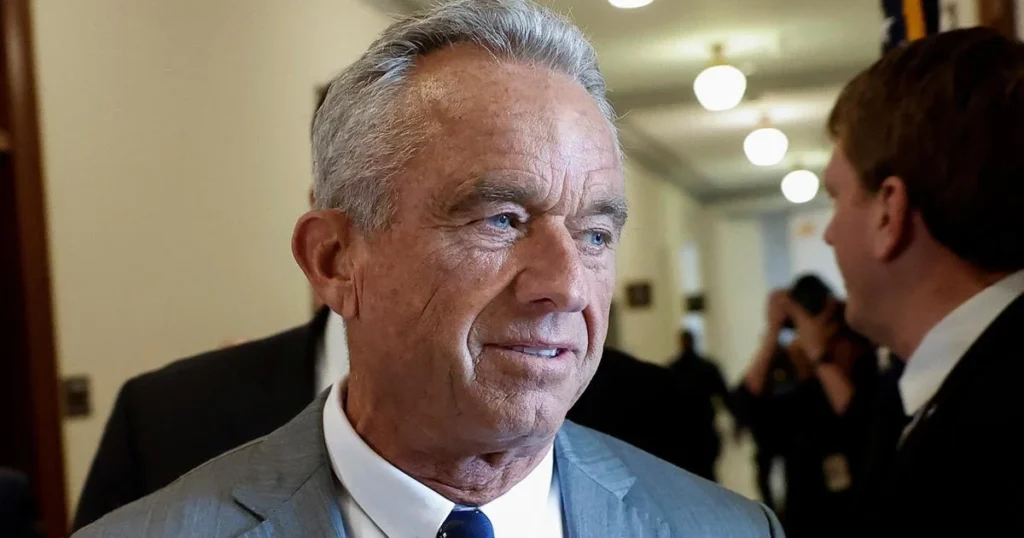
Robert F. Kennedy Jr. and the Role of Martial Arts in Wellness Robert F. Kennedy Jr., known for his commitment to health and wellness, is making headlines with his vision for a healthier America, particularly through his potential role as HHS Secretary. RFK Jr. emphasizes the importance of physical activity, balanced eating, and a holistic lifestyle. Among the best ways to achieve these goals is through martial arts, which offers comprehensive benefits for individuals of all ages. The Impact of Martial Arts on Health Martial arts, including traditional disciplines like Karate and Taekwondo and modern practices such as Brazilian Jiu-Jitsu and Mixed Martial Arts (MMA), provide an excellent means to enhance both physical and mental health. For children, martial arts teach discipline, improve motor skills, and promote social interaction. For adults, they offer a full-body workout that enhances cardiovascular health, builds strength, and increases flexibility. Seniors can also benefit from martial arts by improving mobility, balance, and mental sharpness. RFK Jr.’s Advocacy and Martial Arts RFK Jr. has long supported physical activities like running, swimming, and martial arts as essential to overall health. His vision aligns with the principles of martial arts, which focus on discipline, mindfulness, and resilience. As he advocates for better public health policies, including access to nutritious food and fitness programs, martial arts could play a key role in promoting wellness. These practices not only boost individual health but also help build stronger, more connected communities. Nutrition: Essential for Martial Arts Success RFK Jr.’s emphasis on clean eating complements the dietary needs of martial artists. A diet consisting of lean proteins, fresh vegetables, whole grains, and healthy fats supports the physical demands of martial arts. Staying hydrated and consuming anti-inflammatory foods like turmeric and omega-3-rich fish can further improve performance and recovery. Martial Arts for All Ages The beauty of martial arts lies in its versatility. For children, classes offer structured environments that teach respect and focus. Adults benefit from stress relief and enhanced fitness, while seniors can practice gentle forms like Tai Chi to maintain flexibility and balance. Martial arts foster a sense of accomplishment and continuous learning, making it a valuable pursuit at any age. Conclusion Robert F. Kennedy Jr.’s vision for a healthier America can be realized through practices like martial arts, which promote physical, mental, and emotional well-being. Whether young or old, martial arts provide a versatile and empowering way to achieve fitness and live a balanced lifestyle. By combining RFK Jr.’s principles of healthy living with the discipline and benefits of martial arts, individuals can take control of their health and inspire others to do the same.

Martial Arts: A Path to Health for All Ages Inspired by RFK Jr.’s Wellness Mission Read More »

Breaking Stereotypes: Women In Martial Arts And Self-Defense

Martial arts and self-defense have long been male-dominated, but women are increasingly taking up these disciplines for empowerment, fitness, and personal safety. As they challenge traditional views, women are proving that martial arts is for everyone. Women’s Journey in Martial Arts Historically, martial arts were seen as male activities, but women have always been involved—from female samurai warriors in Japan to Wing Chun practitioners in China. Today, women are excelling in disciplines like karate, Brazilian Jiu-Jitsu, and Muay Thai, reflecting a shift in societal norms. Challenging Gender Stereotypes One misconception is that martial arts are too aggressive for women. However, martial arts are about mental discipline, strategy, and technique—qualities that transcend gender. Women are proving that strength is not just physical but also mental, redefining what it means to be strong. In self-defense, technique often overcomes brute strength, empowering women to protect themselves against larger opponents. The Benefits for Women Self-Defense and Empowerment: Martial arts provide tools for real-world self-defense, giving women confidence in their ability to protect themselves. This empowerment extends beyond physical skills, strengthening mental and emotional resilience. Physical Fitness: Martial arts offer a full-body workout that improves strength, flexibility, and cardiovascular health, keeping women physically capable while learning valuable techniques. Mental Discipline and Stress Relief: Practicing martial arts requires focus and patience, which helps in managing stress and achieving mental clarity. Community Support: Martial arts fosters a sense of community where women encourage one another, creating a supportive environment for growth. Women as Leaders and Instructors Women are not only participating in martial arts but also leading as instructors and black belts, serving as role models for the next generation. Female instructors provide valuable perspectives on self-defense, tailoring techniques to suit women’s strengths. The Future of Women in Martial Arts The future is bright, with more women joining and excelling in martial arts daily. They are becoming prominent in competitions like the UFC and advocating for self-defense training. As barriers continue to fall, martial arts is proving to be an inclusive space where women are not only welcome but empowered. Women in martial arts are reshaping the landscape, challenging stereotypes, and demonstrating that strength and skill know no gender. As participation grows, so does the opportunity for women to feel empowered both on and off the mat.

Breaking Stereotypes: Women In Martial Arts And Self-Defense Read More »

FOLLOW US

KARATE & MARTIAL ARTS UPPER WEST SIDE NY

PRIVATE CLASSES AVAILABLE IN WESTFIELD NJ


DIGITAL MARKETING BY

Harmony By Karate

251 West 81st Street New York New York 10024
Phone : 646-387-2073
Website : https://harmonybykarate.com
Price indication : 155-300
Facebook : https://www.facebook.com/HarmonyByKarate/
Tuesday12:00-6:30
Wednesday12:00-5:15
Thursday12:00-6:30
Sunday10:00-12:00
FOLLOW US

KARATE & MARTIAL ARTS UPPER WEST SIDE NYC

PRIVATE CLASSES AVAILABLE IN WESTFIELD NJ


DIGITAL MARKETING BY
HARMONY BY KARATE | 2026 | ALL RIGHTS RESERVED
Harmony By Karate - Martial Arts Upper West Side NYC Manhattan

PRE ENROLLMENT

Please take the time to fill out this short pre-enrollment form. Once it is filled out and submitted you will be contacted by a member of the Harmony By Karate staff for a meeting.

Call Now Button